About Volante
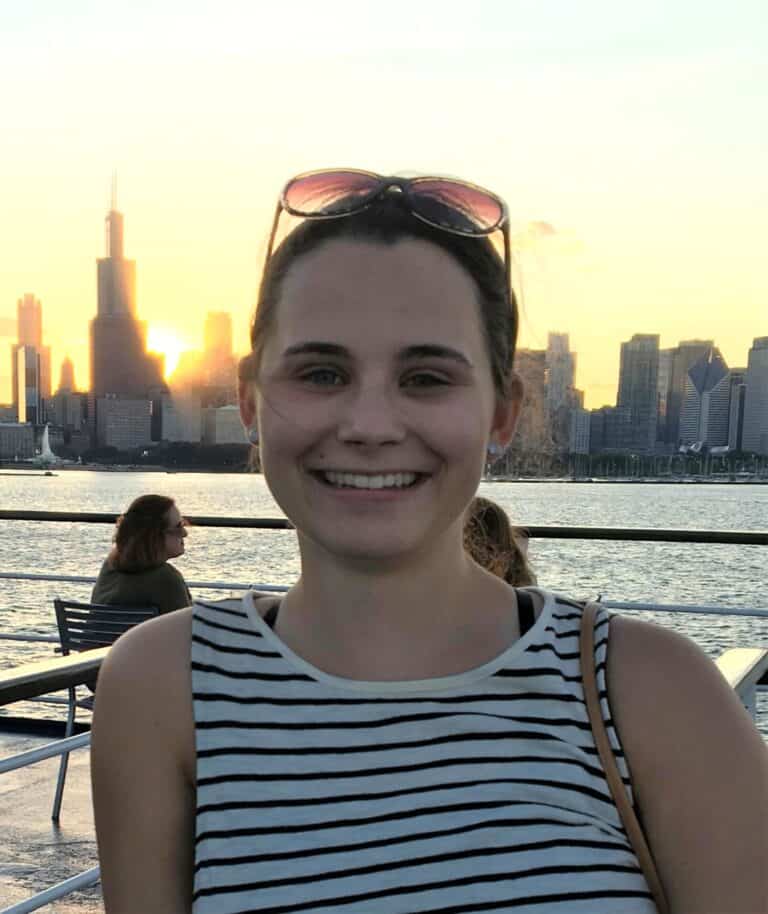
Dr. Stephanie Mundt
My running career started with a lot of promise. By the end of my sophomore year in high school, I had already won an Iowa state championship and a Drake Relays title. As I kept on winning, running became central to my identity – it was a way to cope with the stressors of high school, and I was really good at it. But as I entered my senior year of high school, things started to fall apart. I had begun reducing my food intake and running extra on my own to run even faster and perform at an even higher level.
I had my first stress fracture in the fall of my senior year, and my second stress fracture just before state track the following spring. By this time, I was in a state of disordered eating and exercise dependence. I had committed to running for Arizona State University. I had high hopes of contributing to their team and reaching new performance levels. The next several years of being on the team at ASU weren’t quite what I hoped for – I continued to get stress fractures because my bone density had suffered so much from the eating disorder and the delayed onset of regular menstrual cycles.
Over time and with help, I did gain weight, recover from my eating disorder, and was able to race a few times with the Sun Devil jersey on. Following my college career, however, I continued to experience injuries, including more stress fractures, a hip labrum tear and knee chondral defects.
Through all this, however, I’ve maintained my love for running and discovered how to train, race, and eat in a way that sustains me rather than burns me out. I completed my first marathon in June 2022 and qualified for Boston 2023, and I hope to run many more!
Because of my struggles with food, exercise, and injuries, I’m passionate about helping runners prevent and manage injury. Having high-quality care and support when managing these complex issues is crucial. I hope to be a dependable resource guiding recovery and setting runners up for long-term success.
Education
Orthopedic Sport Science (PhD), Bone health in runners, Expected 2028
Doctorate of Physical Therapy (DPT), University of Southern California, 2017
B.S. in Kinesiology, Arizona State University, 2012
Residency
Orthopedic Physical Therapy Resident, University of Michigan, 2017-2018
Certifications
Certified Eating Disorder Specialist, Expected 2026
Certified Strength and Conditioning Specialist (CSCS), 2020
Board-Certified Orthopedic Clinical Specialist, 2019
Professional Development
Presenter, American Physical Therapy Association (APTA): Running through Rehab, February 2021
Presenter, Michigan Physical Therapy Association: The Physical Therapist’s Role in Relative Energy Deficiency in Sport (RED-S), October 2020
Course Participant, Relative Energy Deficiency in Sport (RED-S), taught by Becca McConville, 2020
Athletics
ASU Cross Country and Track Teams
1:21:07 (2013 London Bridge Half Marathon)
2:52:08 (2025 Orange County Marathon)
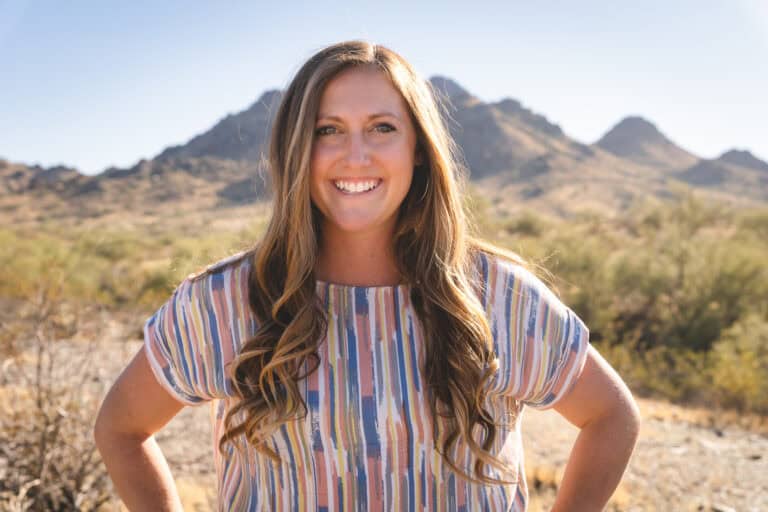


Mirae Mastrolonardo
Growing up, skating and running were my identity. By 16, I was a U.S. Figure Skating double Gold Medalist in Moves in the Field and Free-Skate, a Regional Champion, a two-time IHS State Qualifier in cross country, and pursuing D1 collegiate running.
However, during my senior year, everything began to unravel. I over-trained, developed my first bone stress injury, and began restricting calories in hopes of improving performance. My body started breaking down. I lost my period, battled lingering injuries, and couldn’t perform at the level I once had. Ultimately, I was unable to pursue collegiate running.
By 19, I was diagnosed with REDs, chronic pain, and Chronic Fatigue Syndrome. I was told to quit sports entirely, sent to pain management, and my doctors compared my body to a broken phone battery that would never fully recharge. That period left me crippled by depression, anxiety, and an overwhelming fear of my own body, movement, and health.
After two years of rest and medical intervention that failed to help, I felt worse than ever – physically, mentally, and emotionally. I decided that I needed to take back control of my life. I transferred to Marquette University to study Exercise Physiology, began figure skating again, and even took up long track speed skating. On the outside, it looked like I had recovered. I competed in speed skating and figure skating on Marquette’s collegiate team, coached athletes, and worked in sports performance. But internally, I was still constantly injured, battling pain & fear, and emotionally burnt out. The same patterns from my younger years, disordered eating, over-training, and ignoring recovery, continued to follow me.
While training to compete in the 2022 U.S. Olympic Trials in speed skating, I was diagnosed with autoimmune arthritis and missed qualifying for the trials by just two seconds. I went into remission and pushed on, despite exhaustion. Shortly after, another health setback led to yet another chronic pain condition. Still, I trained with the 2026 Trials in my sights. However, a knee injury eventually led to a breaking point. I had to face a brutal truth: I was chasing redemption for what I lost years ago at the expense of my current health and happiness. Ultimately, I decided to take a step back so I could rebuild for more sustainable training in the long run.
Today, I use my experiences to guide and support athletes who are looking to chase their goals in a sustainable, fulfilling way. I understand the physical and mental toll of overtraining, burnout, and injury. That has led to my passion for helping others find longevity, resilience, and joy in sport and movement.